You've tried to spend less time on your phone. Nothing sticks.
Screen Time. Brick. Willpower. Good intentions.
With Analog, you decide once. Then it holds.
The problem isn't willpower. It's the system.
Habits don't form through repeated acts of willpower.
They form through commitment devices—decisions you make once, in advance, that hold automatically after that.
The default becomes the habit. The hard thing becomes breaking it, not building it. Analog is a commitment device.
Set it up once. It runs from there.
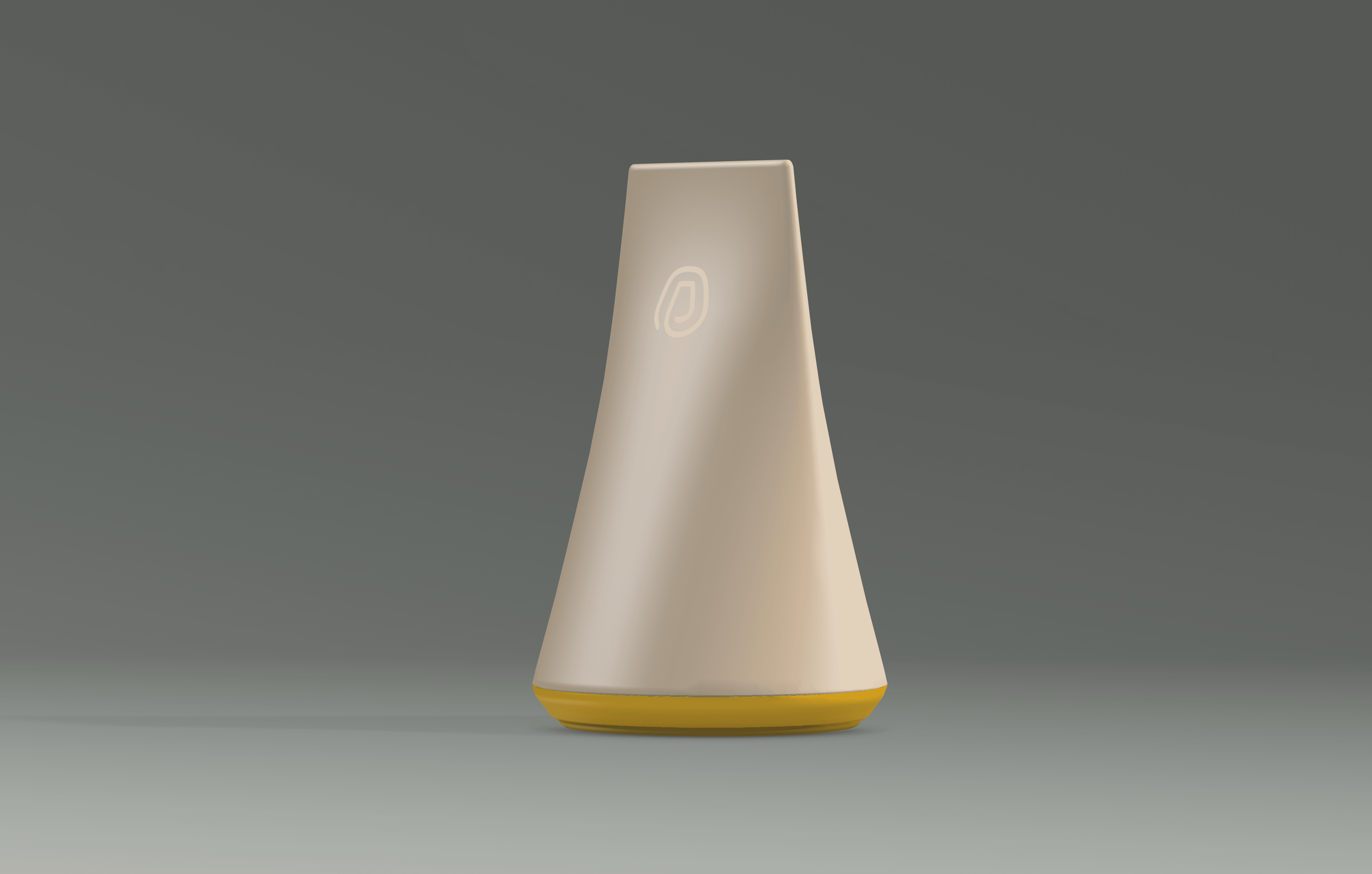
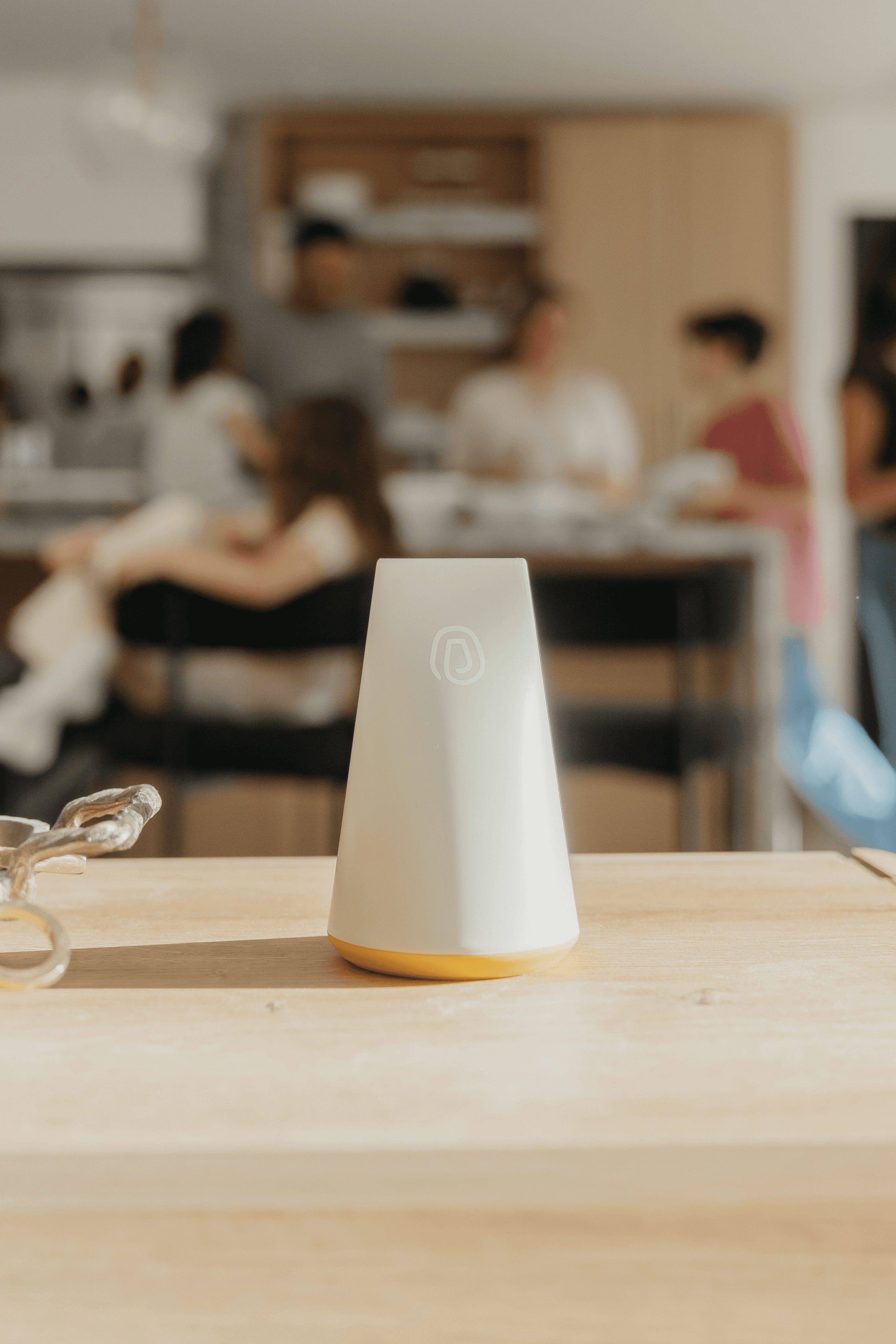
A small device. A complete shift.
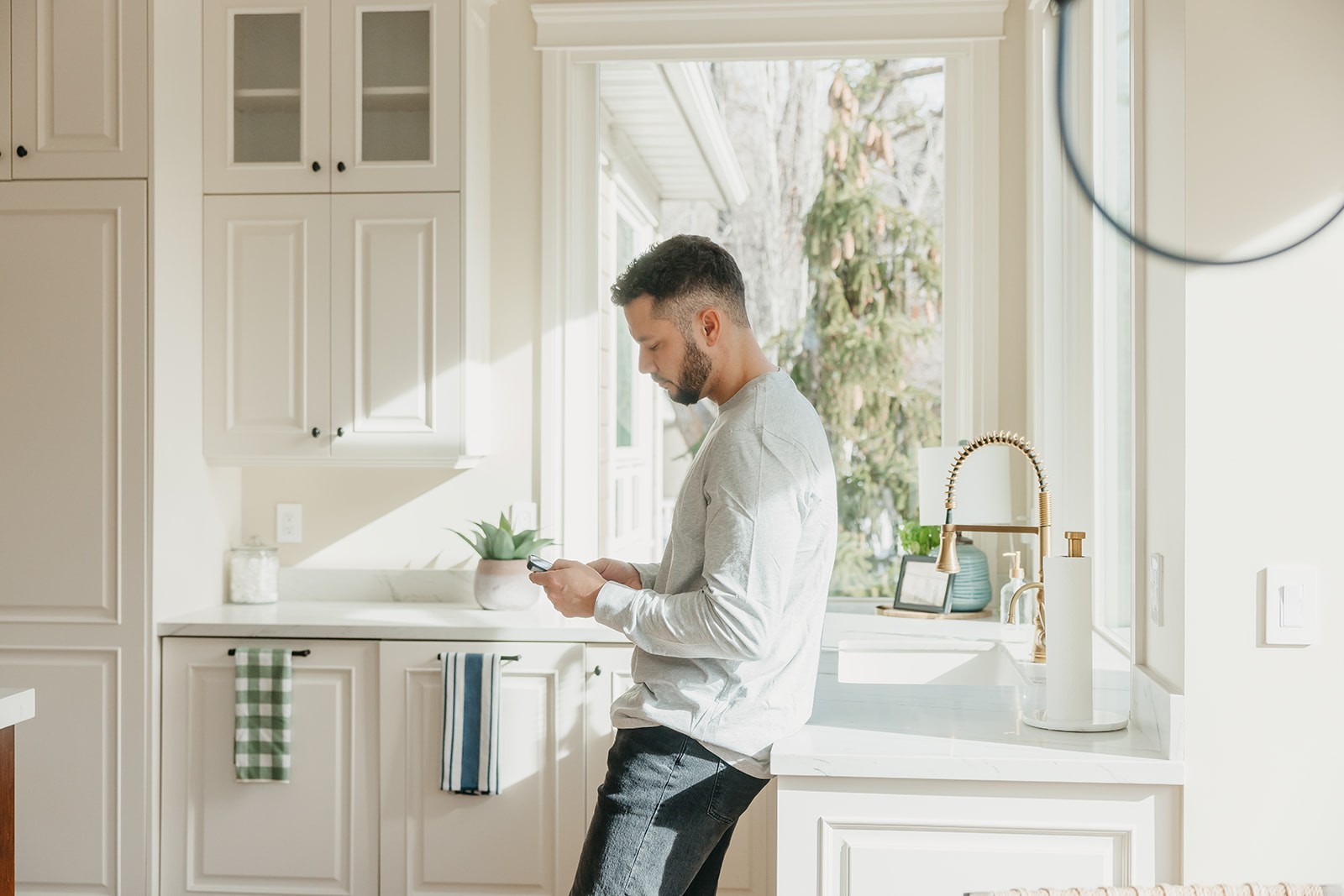
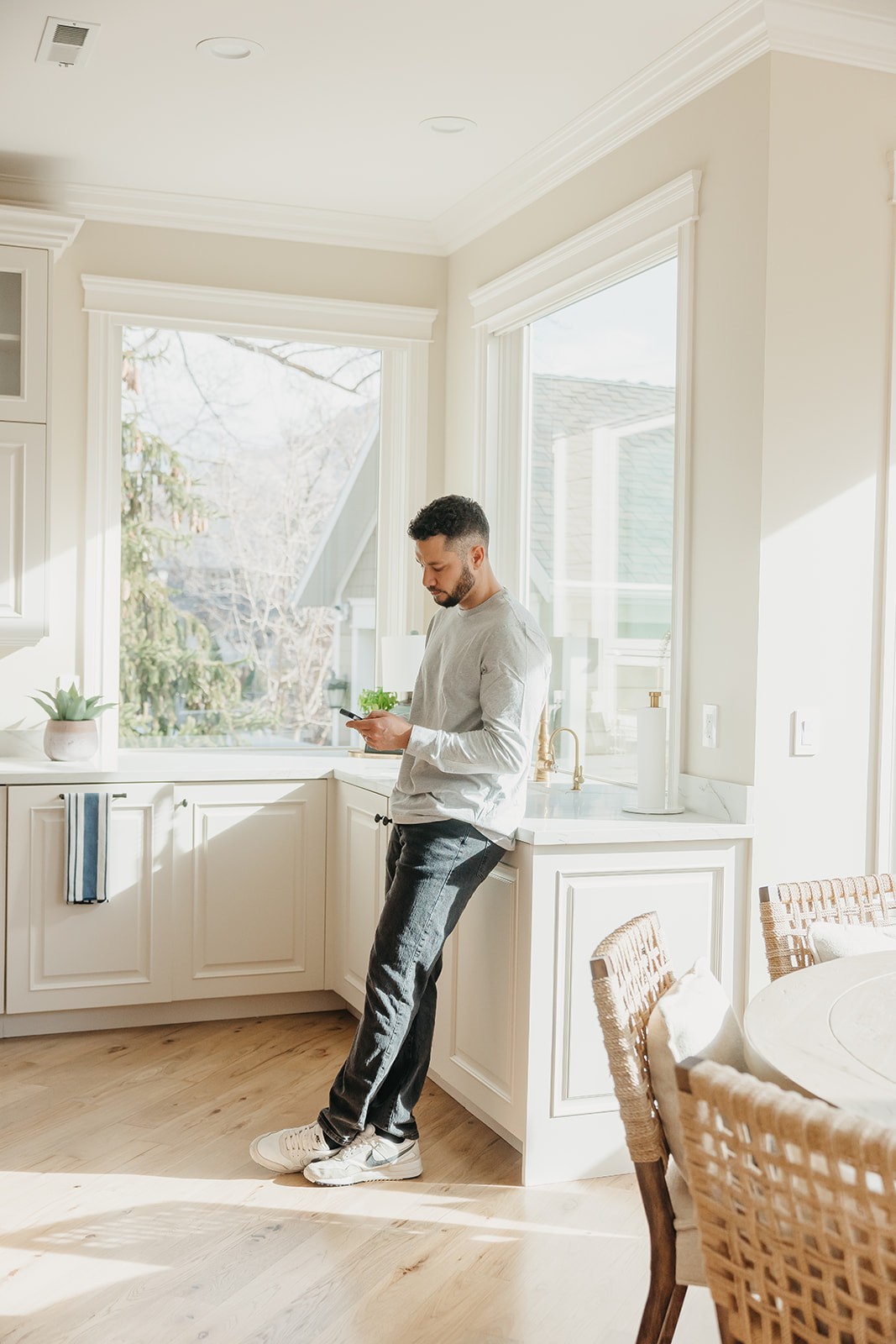
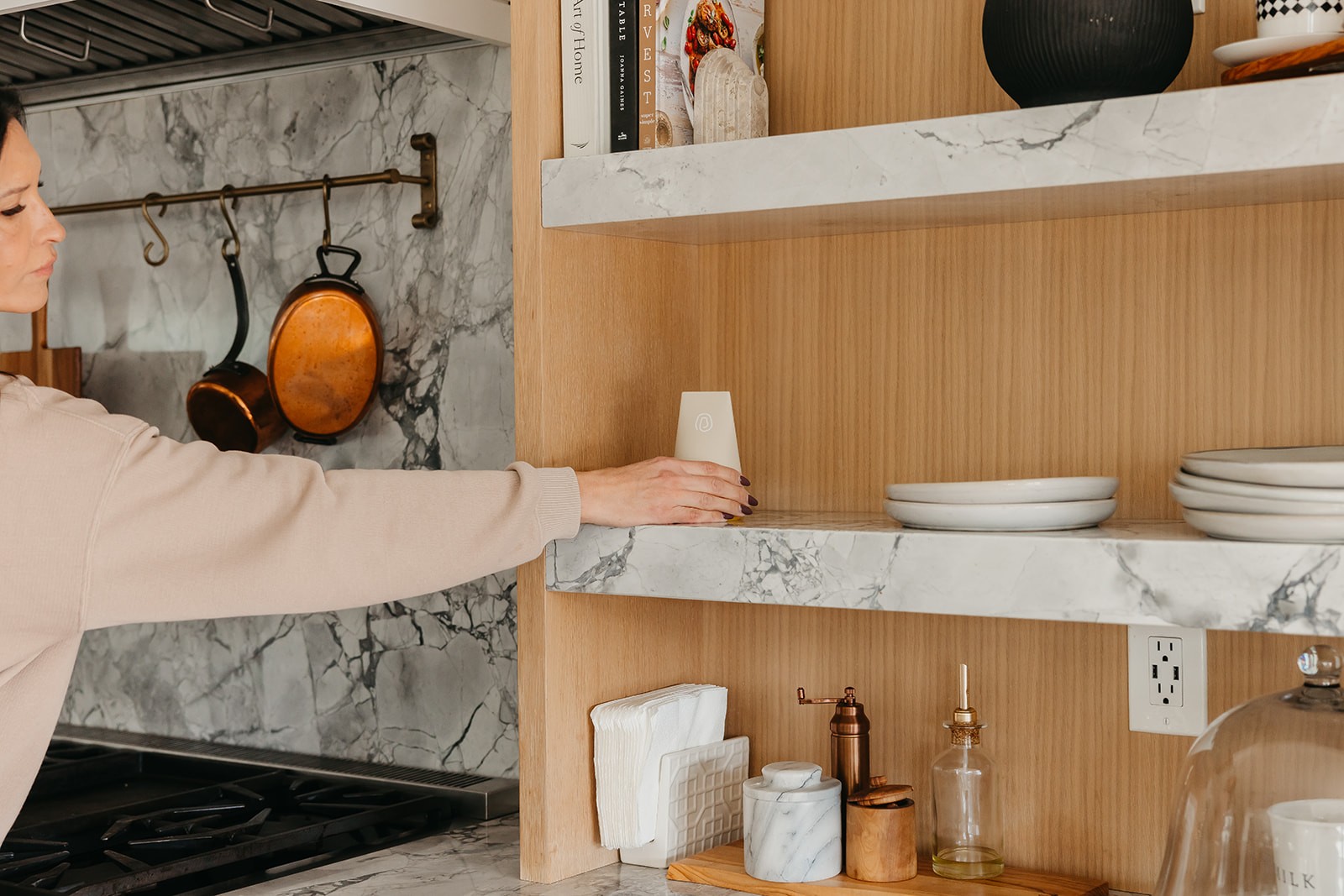
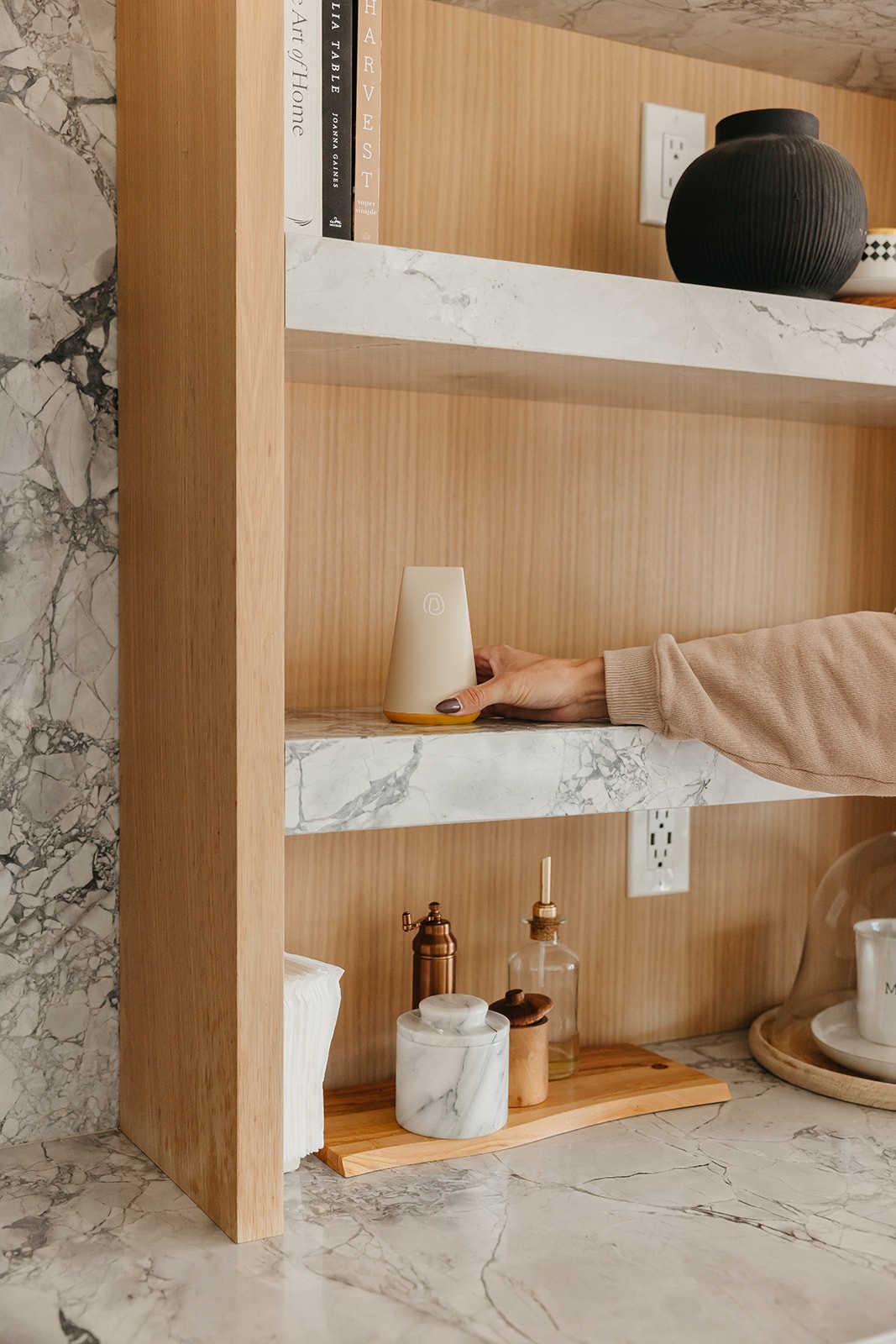
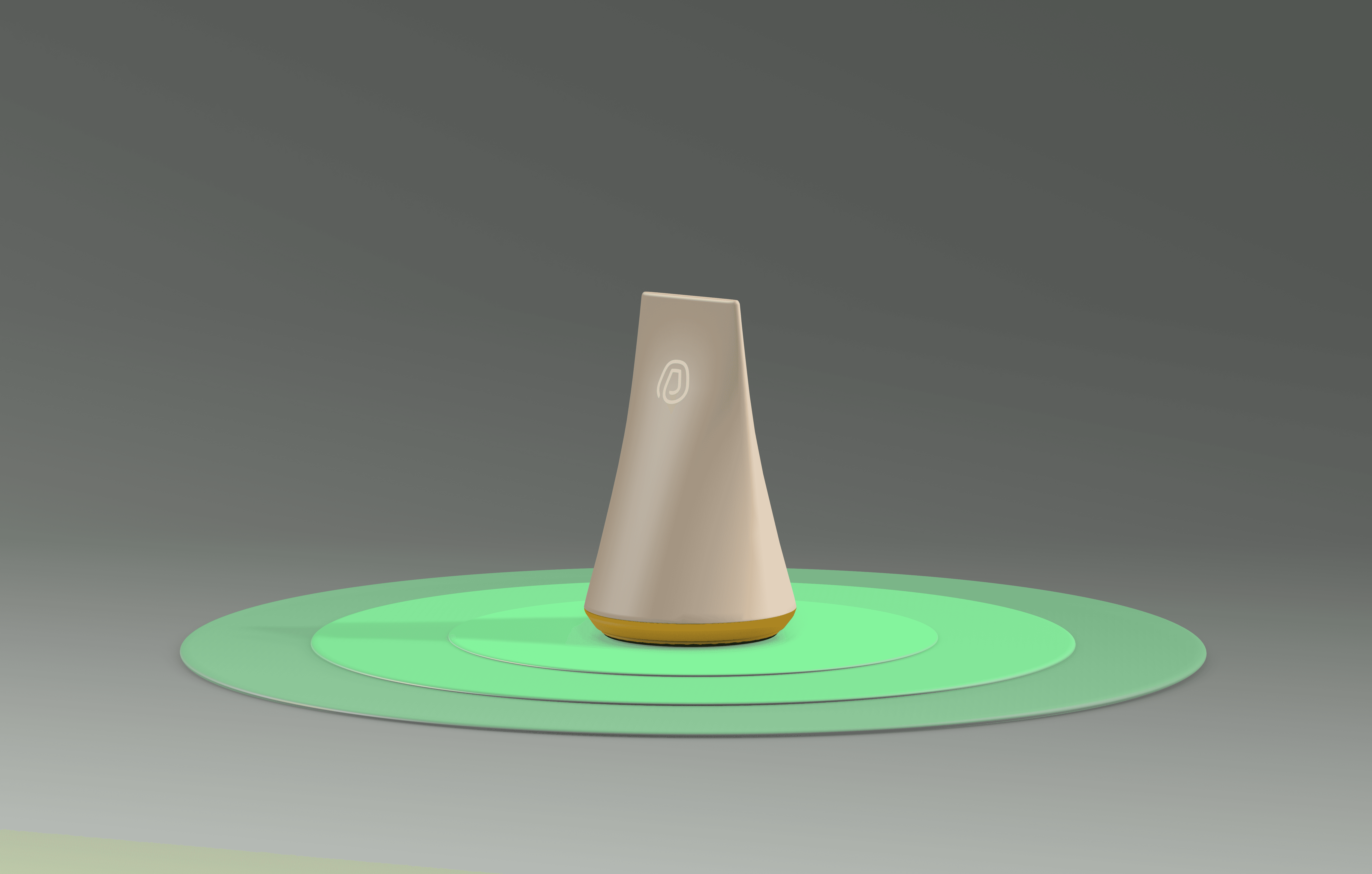
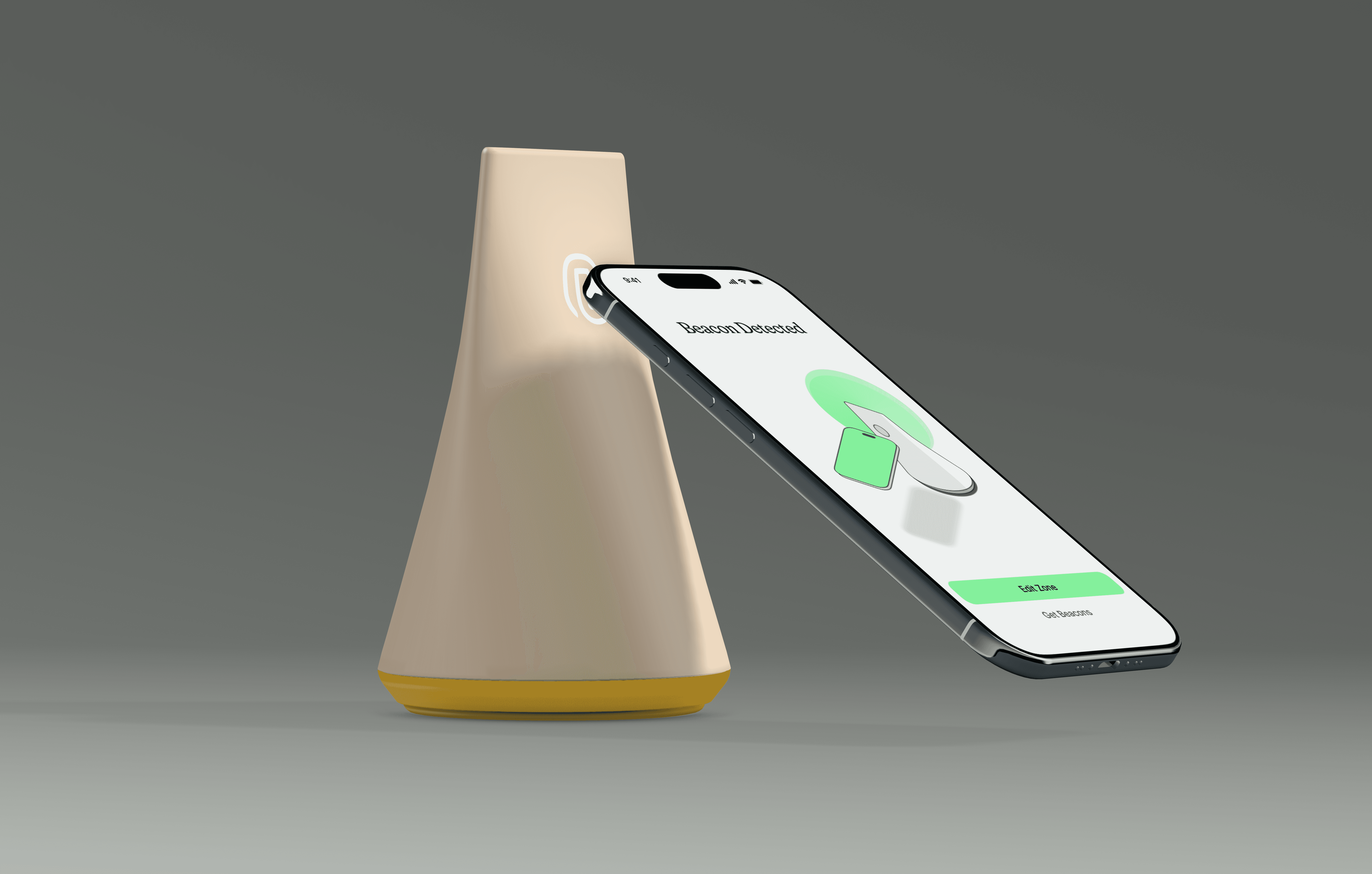
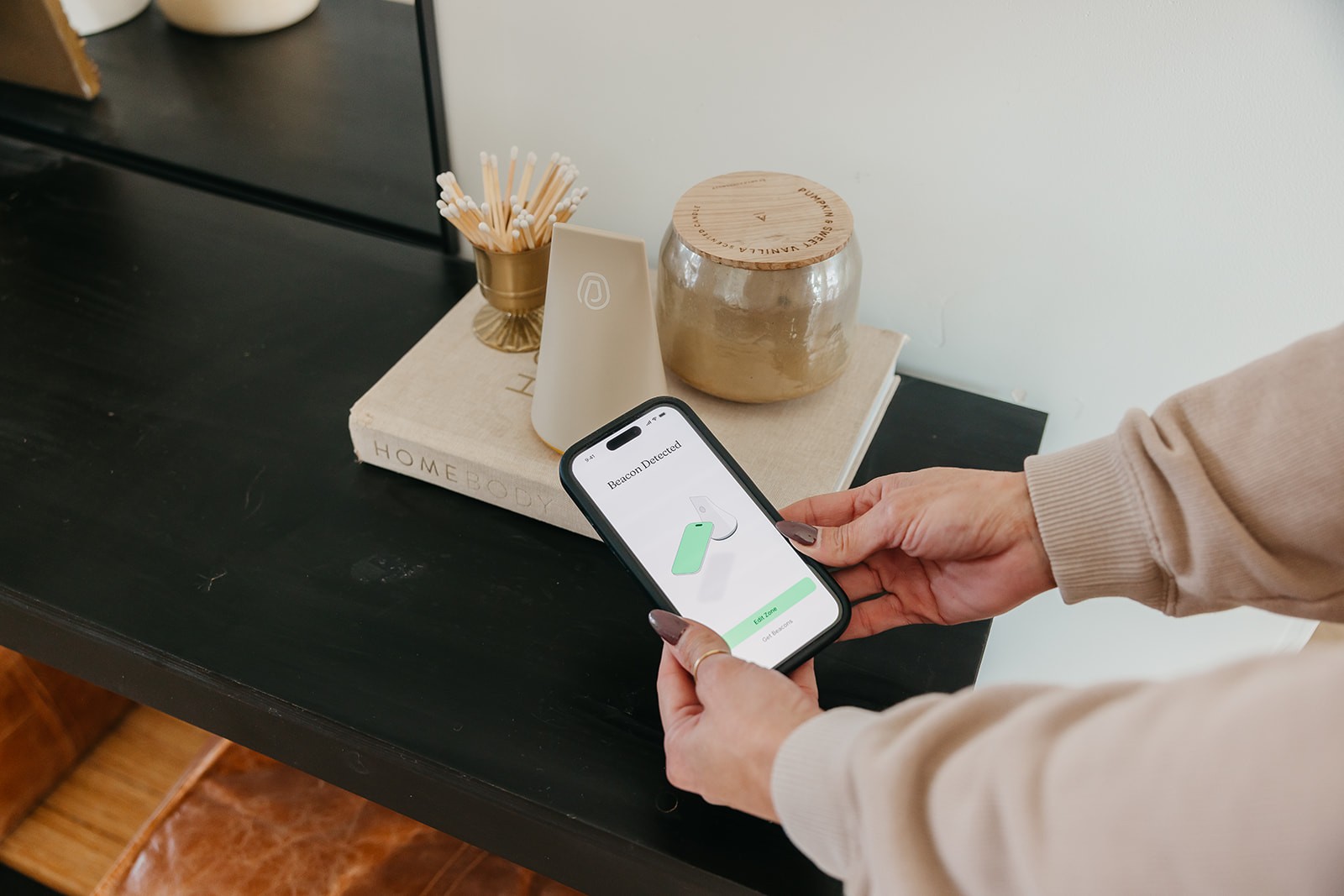
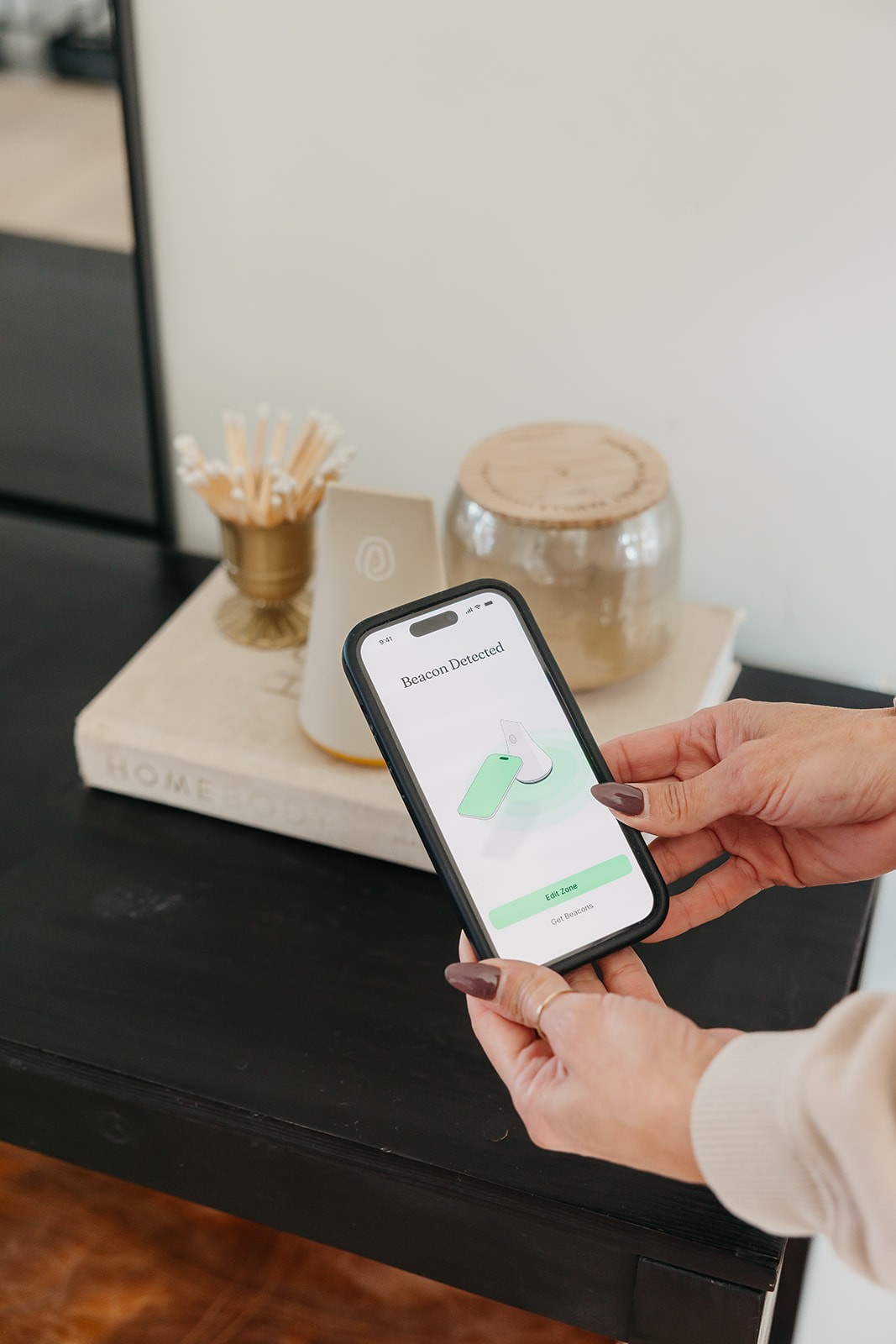
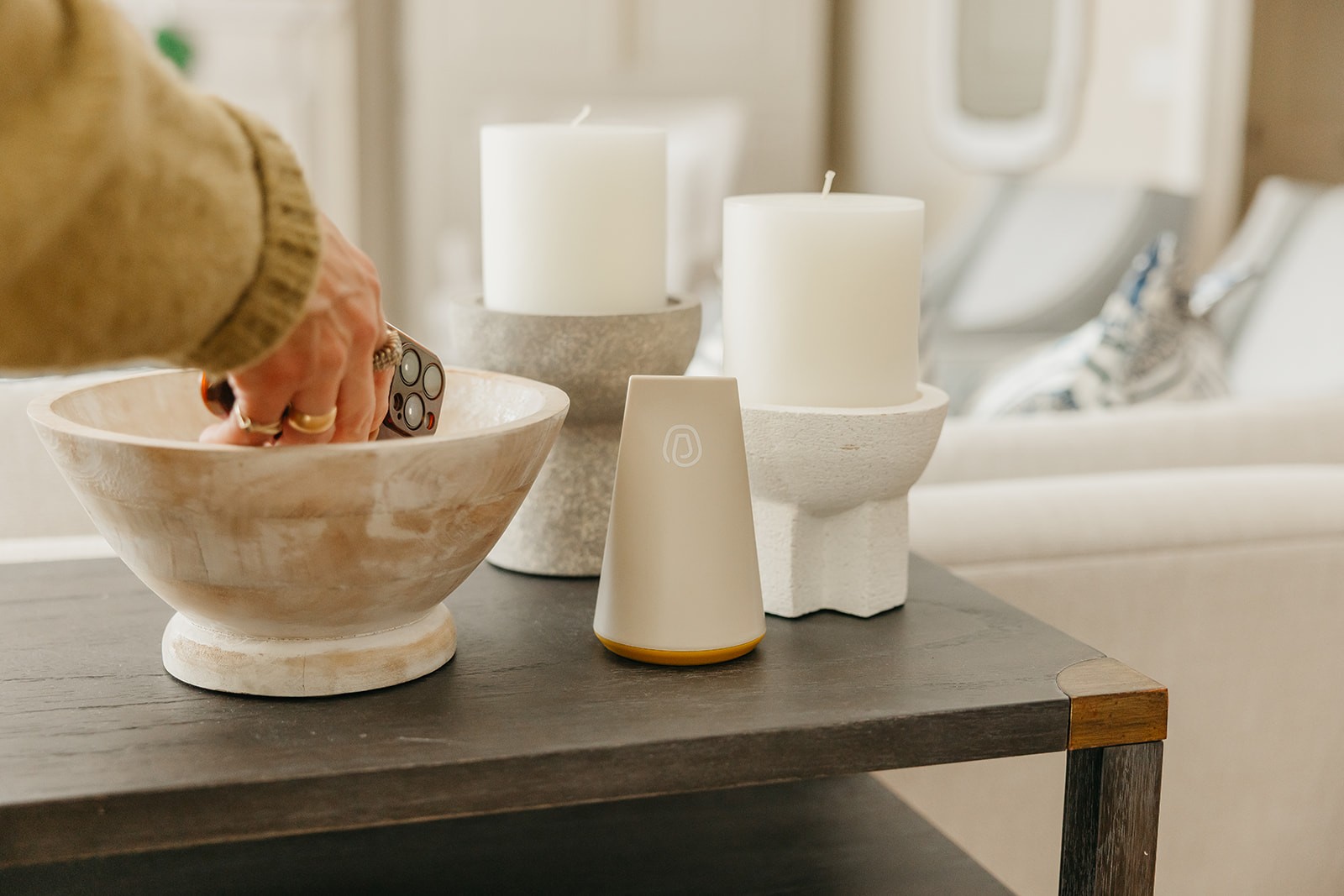
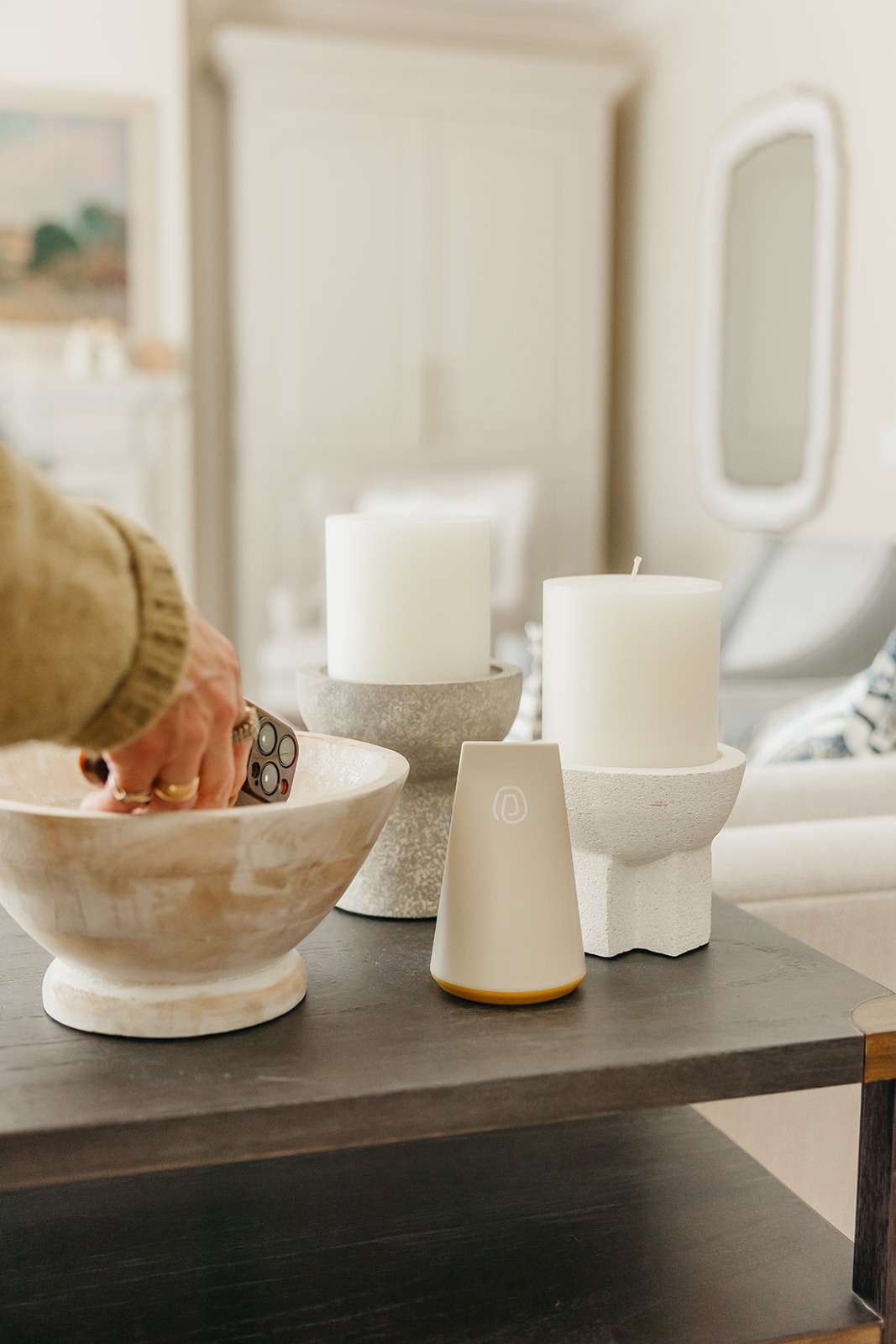
Place a Beacon in a room—your kitchen, your bedroom, your office. Choose which apps are available there. The rest is automatic.
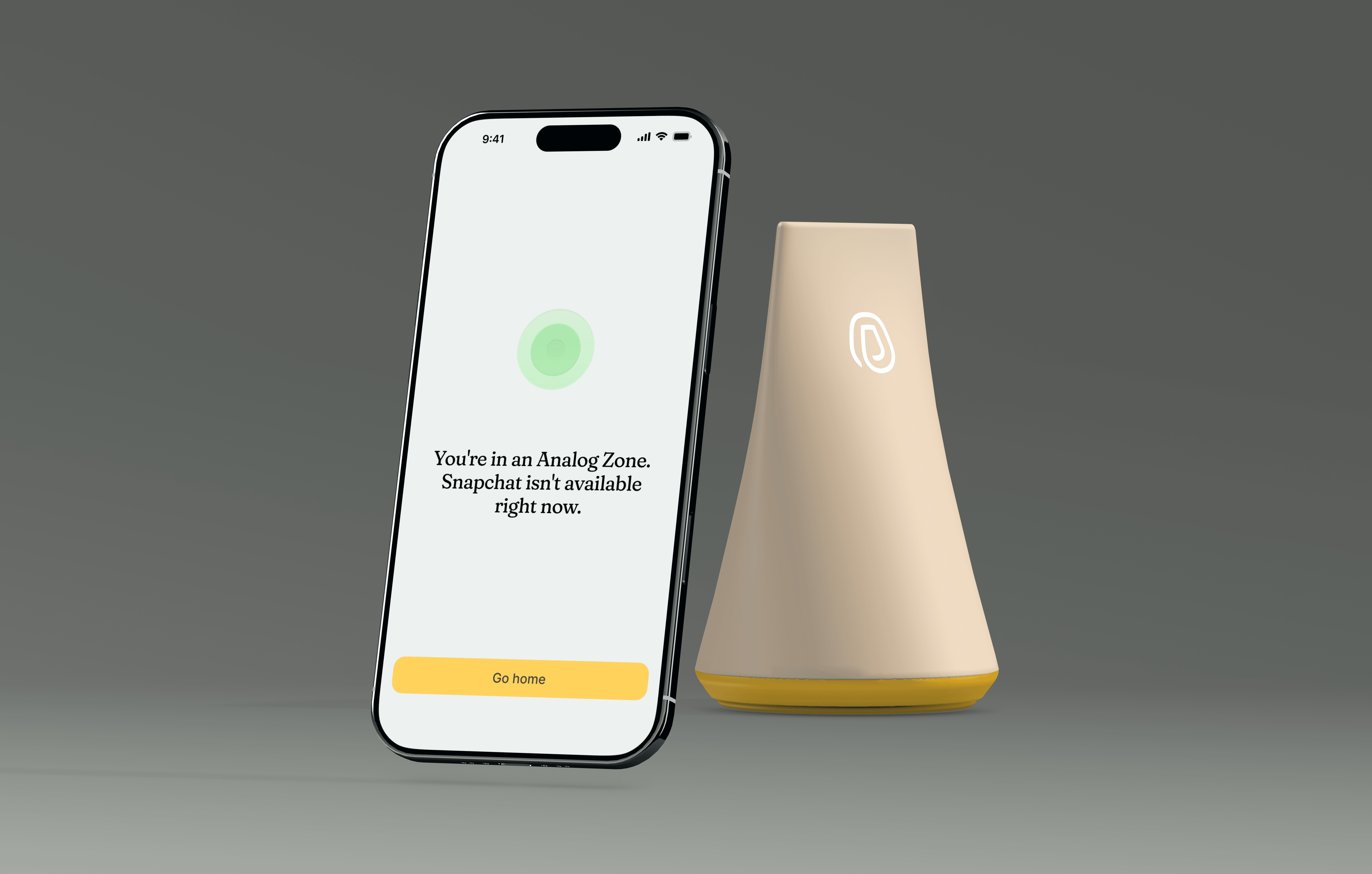
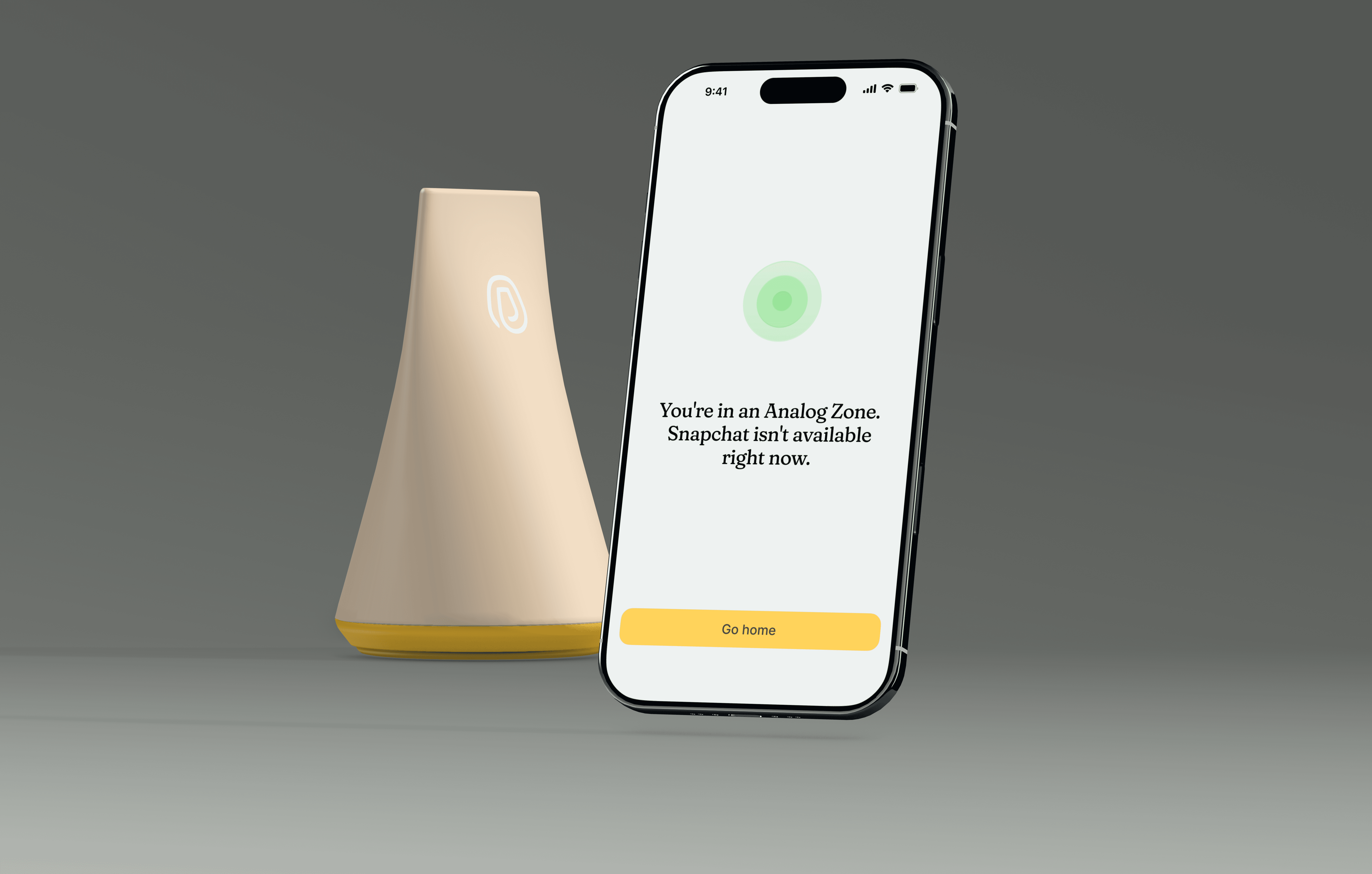
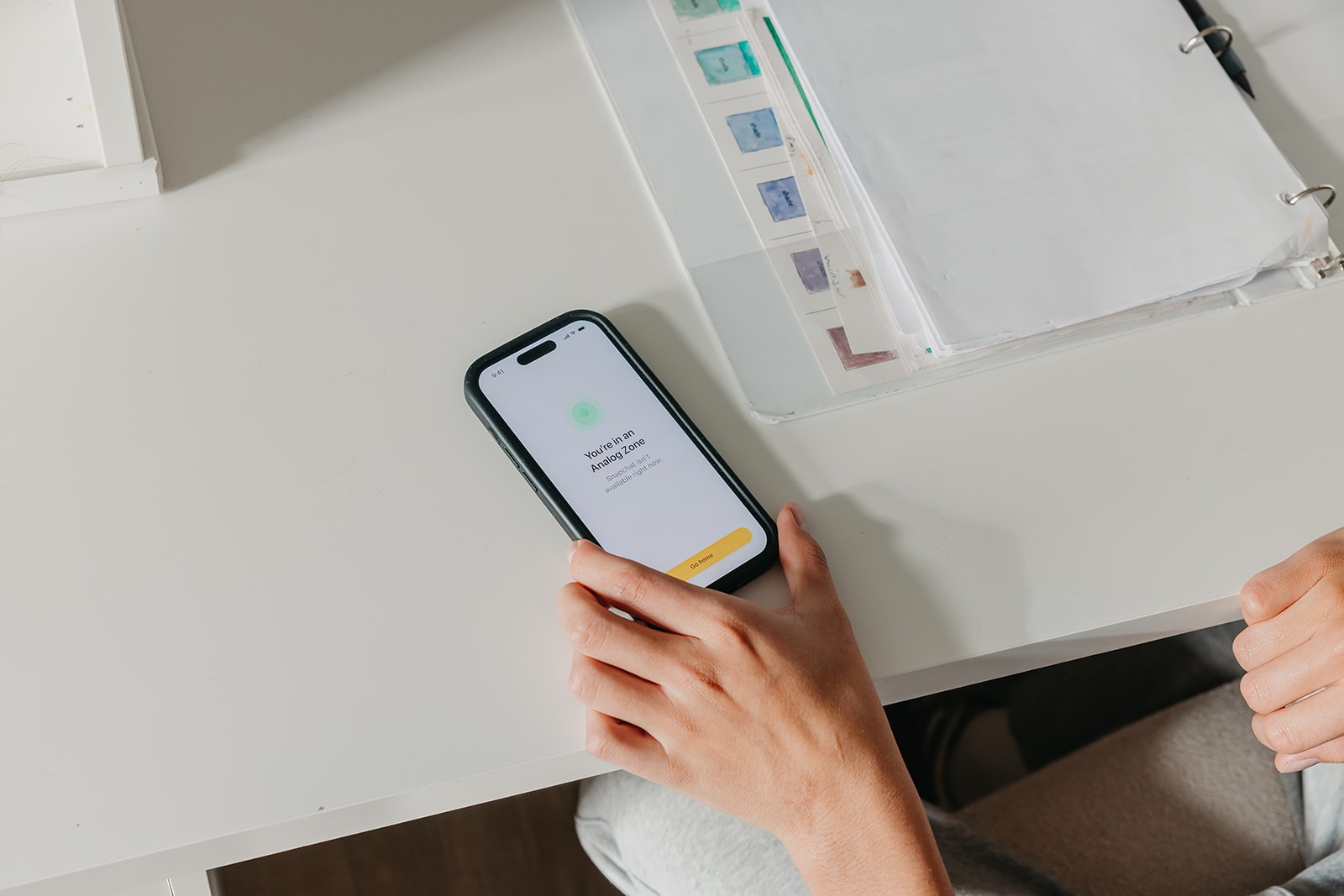
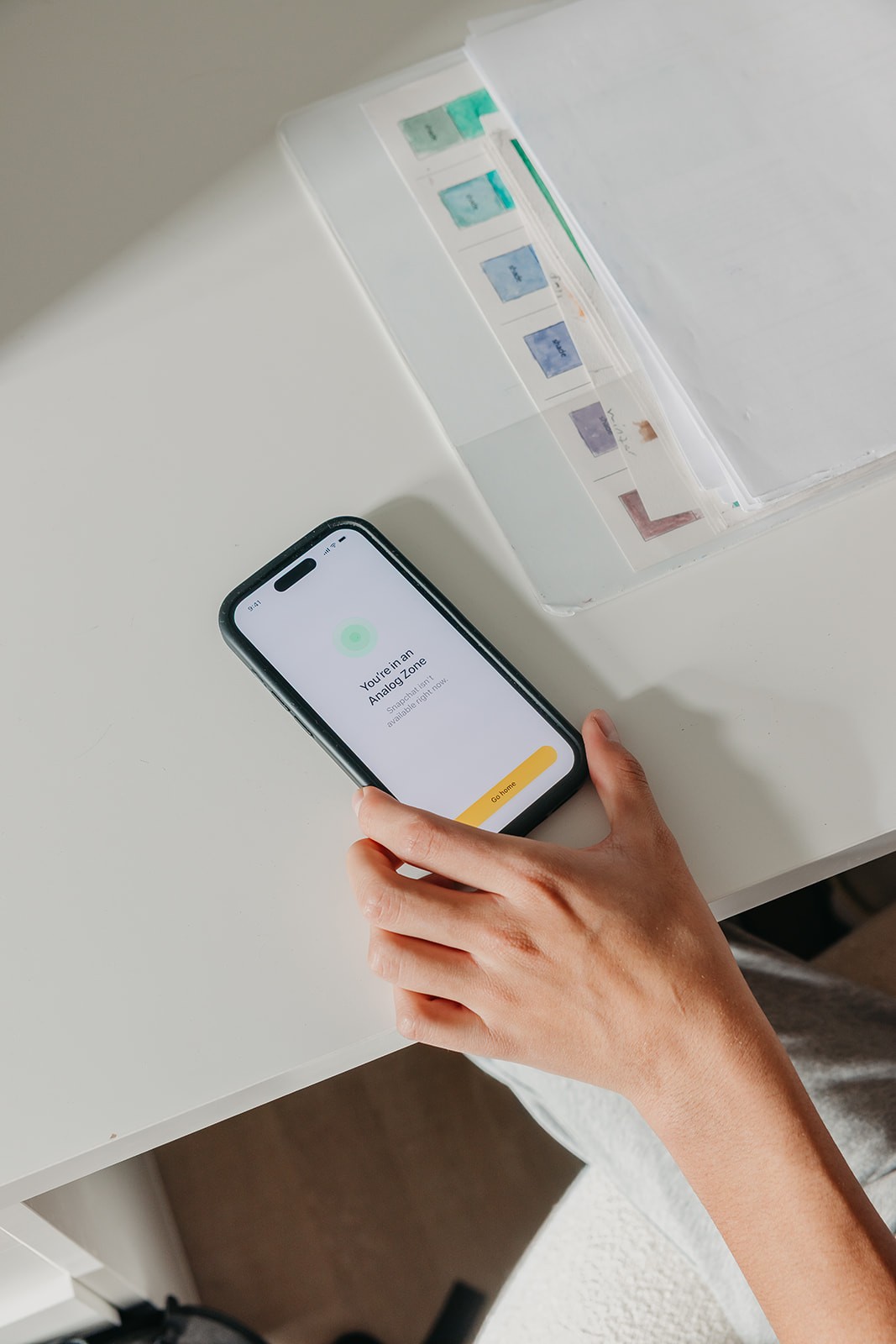
Out in the world, your phone works like normal. Walk through the door, sit at your desk—it adjusts.
No tap required. No habit to form. The space holds the boundary.
Simple to set up. Run on its own after that.
Place a Beacon
In a room, at a desk, anywhere.
Set your rules
Which apps, which times. Decide once.
Why Analog sticks
Automatic, not aspirational.
Most approaches require you to opt in every day. That works, until you forget. That's not a failure of character, it's a failure of the system.
Analog removers the daily decision entirely.
Context-aware.
Analog isn't a different phone. It's your phone, behaving the way you want it to.
Full access when you're out. Automatic limits when you're in. The balance you've been looking for.
The space does the work.
When you walk into your office, the podcast cust off. When you sit down for dinner, the feed disappears.
You didn't do anything. The space did. It's a shift in environment, not another act of discipline.
A product for everyone, everywhere attention matters.
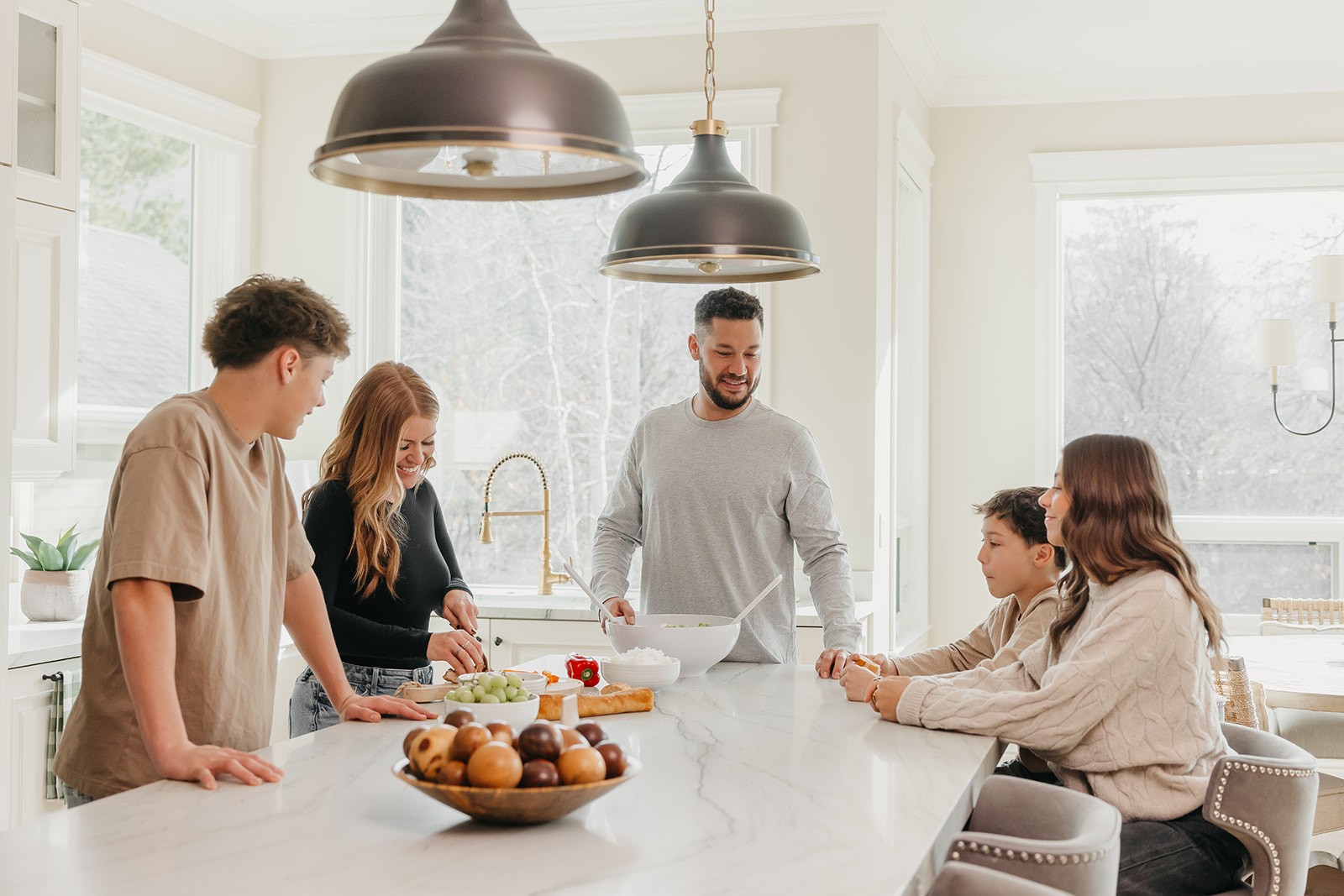
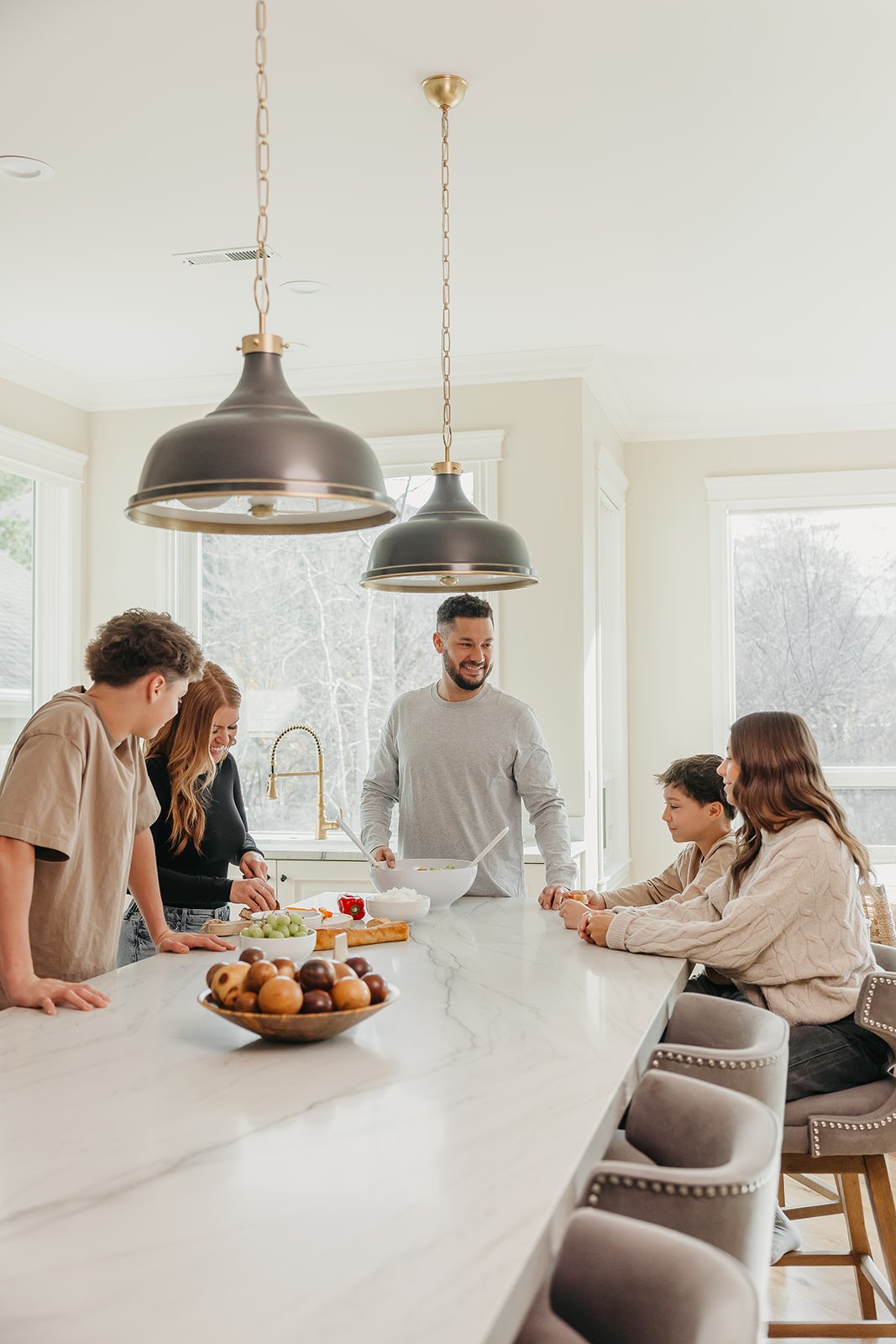
"I love Analog. It's changed our family for the better. I don't use it for the kids, I use it for me. To be more present with the kids."
"It doesn't matter how much screen time is left on this or that app, it applies to everyone, together, at the same time. There's no fight about it, the phones just go away. And my kids like that it applies to me too."
"It creates space at the beginning and end of my day. I'm not doomscrolling at night, and I'm not flooding my brain with social media and news and emails right when I wake up."
"This Analog Beacon will be game changing for our family, especially as we use it and teach our children before they even have phones. If we can set that example for them, I think we'll be able to beat a lot of the negatives that come from phones."
"I've tried other things, but the hard part is developing the good habit. This just automates it. It makes developing healthy phone habits easy. "
A product for everyone, everywhere attention matters.
"I love Analog. It's changed our family for the better. I don't use it for the kids, I use it for me. To be more present with the kids."
"It doesn't matter how much screen time is left on this or that app, it applies to everyone, together, at the same time. There's no fight about it, the phones just go away. And my kids like that it applies to me too."
"It creates space at the beginning and end of my day. I'm not doomscrolling at night, and I'm not flooding my brain with social media and news and emails right when I wake up."
"This Analog Beacon will be game changing for our family, especially as we use it and teach our children before they even have phones. If we can set that example for them, I think we'll be able to beat a lot of the negatives that come from phones."
"I've tried other things, but the hard part is developing the good habit. This just automates it. It makes developing healthy phone habits easy. "
A product for everyone, everywhere attention matters.
"I love Analog. It's changed our family for the better. I don't use it for the kids, I use it for me. To be more present with the kids."
"It doesn't matter how much screen time is left on this or that app, it applies to everyone, together, at the same time. There's no fight about it, the phones just go away. And my kids like that it applies to me too."
"It creates space at the beginning and end of my day. I'm not doomscrolling at night, and I'm not flooding my brain with social media and news and emails right when I wake up."
"This Analog Beacon will be game changing for our family, especially as we use it and teach our children before they even have phones. If we can set that example for them, I think we'll be able to beat a lot of the negatives that come from phones."
"I've tried other things, but the hard part is developing the good habit. This just automates it. It makes developing healthy phone habits easy. "
You already decided you want to change your phone habits.
Stop deciding every day.
Thinking it over?
Get the shareable FAQs.
© 2026 Analog Co. All rights reserved. Patent Pending.
Thinking it over?
Get the shareable FAQs.
© 2026 Analog Co. All rights reserved.
Thinking it over?
Get the shareable FAQs.
© 2026 Analog Co. All rights reserved. Patent Pending.